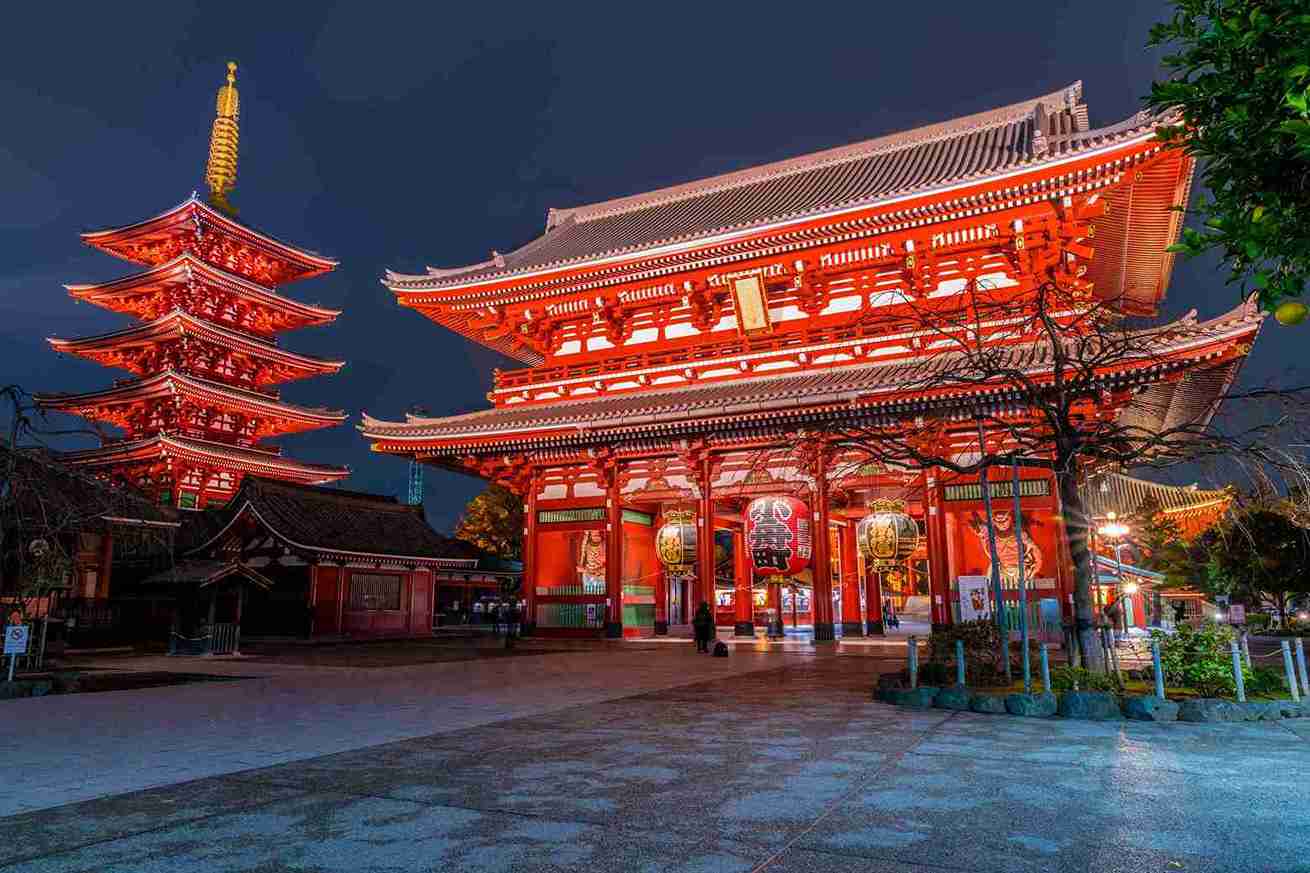
The Edo period in Japan—also known as the Tokugawa era— It is one of the most fascinating historical periods in this country. It was an era in which Japan experienced inner peace, flourished culturally and isolated itself from the rest of the world for more than two centuries. Understanding what this period was like not only helps you understand Japanese history, but also the roots of many traditions, values, and cultural expressions that still survive today.
What was the Edo period in Japan and when did it happen?
Key dates and historical context
The Edo period spans approximately from 1603 to 1868, when Japan was ruled by the Tokugawa family and their shogunate. Its beginning is usually placed in the early years of the seventeenth century, after the Battle of Sekigahara in 1600, when Tokugawa Ieyasu unified Japan after decades of civil wars and was appointed shōgun by the emperor in 1603. This period came to an abrupt end in 1868, with the Meiji Restoration, when political power returned to the emperor and Japan began its transition to modernity.
Do you dream of working in Japan and understanding its culture?
At Doki Doki Japan we accompany you to take the leap: preparation, language and guidance to work in Japan with a solid and realistic cultural base.
Who ruled: the Tokugawa shogunate
Throughout the Edo era, the country was under the rule of the Tokugawa shogunate, a form of centralized feudal government where the shōgun held real power, although the emperor remained the symbolic figure.
The daimyō, or feudal lords, ruled their own domains, but were required to strictly abide by the rules of the shogunate, including the alternate residence policy (sankin-kōtai) that required them to spend time in the capital, Edo (present-day Tokyo).
What life was like in the Edo era
Society by classes: samurai, peasants, artisans and merchants
Edo society was deeply stratified. At the top were the samurai, who, although often without war, maintained a privileged status and exercised administrative functions.
Below were the peasants, who worked the land and produced rice, the economic basis of society. They followed artisans, specialists in trades and manufactures, and finally merchants, who initially had low social status but over time prospered economically and gained great urban influence.
Cities and urban life: Edo (Tokyo), Kyoto and Osaka
Edo, modern-day Tokyo, grew impressively during this time to become one of the largest cities in the world. Osaka and Kyoto also stood out as urban centers of commerce, culture, and artistic production.
Urban life fostered the emergence of a vibrant popular culture, with markets, entertainment districts, tea houses, and activities that blended tradition with new forms of consumption and leisure.
Education, customs and social values
Although Japan was isolated from abroad, internally there was an increase in literacy and education. The calls Terakoya —temple schools—taught reading, writing, and arithmetic to working-class children, while samurai children studied arts, morals, and philosophy.
Values based on Confucianism and the samurai code of conduct profoundly influenced social norms, hierarchical respect, and coexistence.
Samurai in the Edo period: from battlefield to administration
The real role of the samurai in peacetime
With the prolonged peace, the military role of the samurai changed. They were no longer constantly at war, so many took on administrative, judicial, and managerial roles in their fiefdoms under the supervision of the shogunate.
The role of the samurai became more intellectual and bureaucratic, although it continued to be a symbol of prestige and authority.
Bushido, discipline and social reputation
During the Edo period, many of the ethical elements associated with samurai today were formalized, including the ideals of Bushido, which emphasized loyalty, honor, discipline, and righteousness.
These values were maintained as part of the samurai identity and also permeated aspects of the civilian culture of the time.
Edo Period and Art in Japan: The Cultural Explosion
Ukiyo-e: prints and popular culture
The Edo period was a time of enormous artistic creativity. The woodcut styles known as Ukiyo-e, or “images of the floating world,” flourished and captured scenes of everyday life, landscapes, kabuki actors, and courtesans.
Kabuki theatre and urban entertainment
Kabuki theatre It became a popular art form accessible to the urban classes. With dramatic performances, live music, and eye-catching makeup, kabuki became deeply integrated into cultural life.
Other forms of entertainment such as bunraku (puppet theater) and urban literature also thrived.
Fashion, aesthetics and the world of ukiyo
Urban life: Clothing design, aesthetic trends, poetry, and cultural phenomena such as pleasure districts influenced the fashion and art of the time. The fabric prints and the presence of teahouses, gardens and festivals created a very rich and characteristic cultural identity.
Japan's isolation: what was sakoku and how it affected the country
Why Japan closed itself to the outside world
One of the most extraordinary policies of the Edo period was sakoku : an almost total isolation of Japan from the rest of the world. Prompted by the shogunate, this decree banned the entry of foreigners and severely limited the departure of Japanese abroad to protect culture, sovereignty, and internal stability.
Limited trade and relationship with the Netherlands/China
Although Japan remained isolated, very restricted trade relations were allowed with certain groups: mainly Dutch and Chinese merchants in the port of Dejima (Nagasaki). Through them, some Western ideas, books and scientific advances, known as rangaku or “Dutch studies”.
Cultural and economic consequences of isolation
This isolation closed the country to Christianity and colonization, stabilized internal order, and allowed genuinely Japanese forms of art, literature, and urban life to emerge, without direct foreign influence.
It also contributed to domestic economic prosperity, with large cities, vibrant markets, and well-developed local crafts.
The end of the Edo era and the leap to modernity
External pressure and internal changes
In the mid-19th century, isolation was challenged by foreign powers seeking to open Japan to international markets. The arrival of Commander Matthew Perry’s fleet from the United States in 1853 marked the beginning of the end of sakoku and increased the pressure to modernize the country.
Meiji Restoration: What Changes From There
The fall of the Tokugawa shogunate in 1868 ushered in the Meiji Restoration, a process of political, social, and economic reforms that centralized power in the figure of the emperor and launched Japan into an accelerated pace of modernization and Westernization.
What you can learn from the Edo period if you want to live or work in Japan today
Values that are still present in Japanese work culture
Many values sown during the Edo period—discipline, hierarchical respect, hard work, adherence to rules, and loyalty—are reflected in the modern Japanese work ethic. Knowing this historical background helps to interpret behaviors, expectations, and attitudes in Japanese professional environments.
How Understanding History Helps You Adapt Better
Behaviors that seem curious or extreme in Japan are deeply rooted in cultural values such as respect for others, the pursuit of harmony (wa) and the sense of community. These principles influence family, social and professional life.
Why Understanding Culture Completely Changes Your Experience
Understanding how customs, art, social structure, and isolation were integrated into a single period provides context for current cultural elements: from etiquette, communication, collective approach to the appreciation of order and harmony. Studying the Edo era gives you tools to better adapt and connect with Japanese people in their own cultural context.
Take the next step: working in Japan with Doki Doki Japan
If you’re interested in not only learning about Japan’s history, but living and working in today’s Japan with a strong cultural foundation, at Doki Doki Japan We help you prepare. Our courses combine Japanese language, history, and cultural values so that you can adapt, understand, and thrive in your experience in Japan.
Ready to take the leap?

Co-founder and Director of Doki Doki Japan. After learning Japanese and working in Japan for two years, he decided to turn his passion for teaching into a vision: to found his own online Japanese language school.