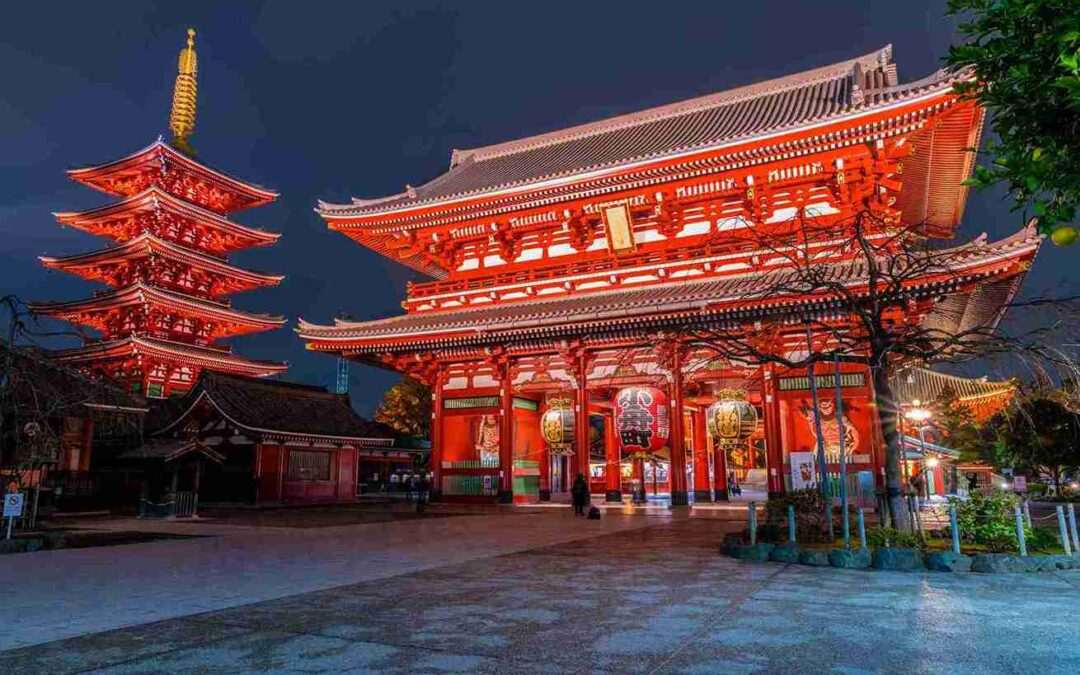

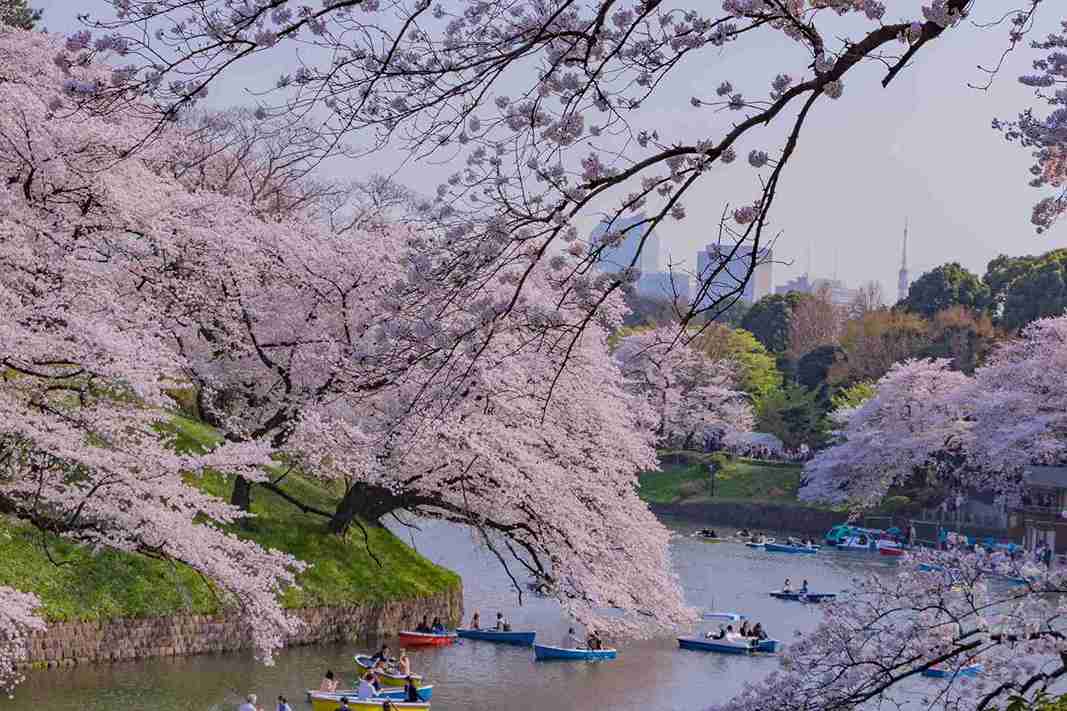
Japan in spring is one of the most magical times of the year to visit the country. With mild temperatures, longer days and nature in full splendour, this season has a charm that is hard to match. It is especially famous for the cherry blossoms ( sakura), which attracts travelers from all over the world and creates dreamlike landscapes that are part of Japan’s most well-known postcard.
What Japan is like in spring and why it is the favorite time of many travelers
Spring in Japan is often associated with renewal, the balance between the residual cold of winter and the first signs of warm weather, and a landscape full of colors and life. During these months, nature awakens, parks are filled with flowers, and the Japanese celebrate the beauty of the season with traditions and festivals that coexist with everyday urban life. In addition to the cherry blossom show, there are plenty of flowers and plants opening up everywhere, from thousand-year-old temples to country roads.
Traveling in spring also offers comfortable weather for touring the country: temperatures are pleasant, not too cold or excessively warm, which favors hiking, tours of parks and gardens, and outdoor activities.
Can you imagine experiencing Japan in spring instead of just visiting it?
At Doki Doki Japan we accompany you to take the leap: preparation, guidance and support so that you can live in Japan with a clear plan from the first step.
What month is spring in Japan? (months and climate by zones)
Spring in Japan: key months (March, April and May)
Spring in Japan mainly covers the months of March, April and May. In many areas, winter is still felt in March, but as the month progresses temperatures rise and flowers begin to bloom. April is the star month of the season, when most of the cherry trees bloom and nature is at its most colorful. May usually offers warm and pleasant days, ideal for exploring mountains, lakes and less touristy routes.
Differences between Tokyo, Kyoto, Osaka and the North (Tohoku/Hokkaido)
Sakura flowering and temperatures vary quite a bit depending on the region of Japan. In cities such as Tokyo, Kyoto, and Osaka, cherry trees typically bloom between late March and the first half of April, and spring feels warmer and more stable.
To the north, in areas such as Tohoku and Hokkaido, spring comes later. Here flowering can occur towards the end of April and even the beginning of May, which allows the sakura season to be extended if you travel gradually to the north of the country.
What the weather is like and how to dress in spring
Japanese spring weather is moderate, but it can be variable. During the day it is usually good weather, with comfortable temperatures, but at night it can cool down. Some areas may also experience light rainfall or sudden changes in temperature. Therefore, the ideal is to dress in layers: a light t-shirt, sweater or sweatshirt and a light waterproof jacket. In addition, a compact umbrella or raincoat will come in handy for occasional rainy days.
Spring in Japan and cherry trees: the sakura phenomenon
What is hanami and how do the Japanese live it?
Hanami (花見), which literally means “to see flowers”, is the tradition of watching the cherry blossoms (sakura) in spring. This custom has centuries of history in Japan and has become a fundamental part of the seasonal culture. Under the cherry trees, families and friends picnic, share food and drinks, and enjoy the moment as petals fall like pink rain over parks, gardens, and rivers.
For the Japanese, hanami is not only an aesthetic observation, but also a moment of reflection on the ephemeral beauty of life, something deeply rooted in Japanese philosophy and cultural sensibility.
When do cherry blossoms bloom in Japan (indicative dates)
The flowering of sakura depends on the climate of each region and varies each year. However, in cities such as Tokyo, Kyoto and Osaka, the cherry trees typically reach their peak between late March and early April.
Further north, in areas such as Hirosaki or Hokkaido, the blooming season can be shifted to late April or even early May, allowing sakura to be enjoyed later in the spring.
Best Places to See Sakura in Tokyo and Kyoto (Overview)
Tokyo and Kyoto are two of the most popular destinations for hanami. In Tokyo, places like Ueno Park or Shinjuku Gyoen attract thousands of visitors every year, with large avenues of cherry trees creating pink tunnels that are impossible to forget.
In Kyoto, the philosophy of hanami is lived out on routes such as the Philosopher’s Path or in Maruyama Park, where the combination of nature and historical heritage creates a perfect setting for photos and spring walks.
Spring Festival in Japan: Traditions, Events and Plans
Most well-known spring matsuri (overview)
In addition to hanami, numerous matsuri are celebrated in spring or traditional festivals throughout Japan. These events mix music, parades, traditional dances, and cultural performances, and often attract both Japanese and curious travelers.
Markets, street food and seasonal culture
Spring also brings with it an explosion of temporary markets, street food stalls – from yaki dango to sakura-inspired drinks and sweets—and a festive atmosphere in parks and temples. These aromas and flavors are an essential part of the experience of traveling to Japan this season.
Popular parks, routes and getaways in spring
Beyond the large urban parks, there are scenic routes and must-see gardens all over the island, from small rural villages to mountainous areas with panoramic views and flowers in all their glory.
Tips for traveling to Japan in spring (without stress)
Reservations, prices and overcrowding: what to expect
Spring is one of the busiest seasons of the year, especially during the sakura bloom. Therefore, it is important to book flights, accommodation and transport well in advance to ensure seats and better prices.
Recommended itineraries according to days (7 / 10 / 14)
- 7 days: Combine Tokyo with nearby excursions (such as Nikko or Hakone) and a quick visit to a famous sakura park.
- 10 days: Add a stay in Kyoto and Osaka to compare historic and modern cities under spring.
- 14 days: Explore regions such as Tohoku or Hokkaido further to see different phases of hanami and less crowded landscapes.
Typical mistakes when organizing a trip in high season
The most common mistakes are usually underestimating the demand for accommodation, planning without flexibility, and not considering alternative itineraries if the exact bloom dates change slightly. Being attentive to each year’s sakura predictions and weather forecasts helps to adjust plans and avoid frustrations.
Experiencing Japan in Spring: What the Experience Is Like If You Move to the Country
Royal routine in Japan during sakura season
How daily life changes (work, studies and leisure)
Spring also marks the end of the school year and the start of new cycles (such as graduations or school entrances), and urban life is filled with outdoor activities, temporary markets, and garden walks that invite you to enjoy the pleasant weather.
What you can learn from the Edo period if you want to live or work in Japan today
Values that are still present in Japanese work culture
Many values sown during the Edo period—discipline, hierarchical respect, hard work, adherence to rules, and loyalty—are reflected in the modern Japanese work ethic. Knowing this historical background helps to interpret behaviors, expectations, and attitudes in Japanese professional environments.
How Understanding History Helps You Adapt Better
Behaviors that seem curious or extreme in Japan are deeply rooted in cultural values such as respect for others, the pursuit of harmony (wa) and the sense of community. These principles influence family, social and professional life.
Experience Japan first-hand with Doki Doki Japan
If traveling to Japan in spring excites you as much as we do, at Doki Doki Japan We can help you turn that idea into reality. With our personalized programs you will know when to travel, what places to visit and how to plan every detail to make your spring experience in Japan unforgettable.
Ready to experience Japan at its most beautiful? We accompany you step by step!

Co-founder and CEO of Doki Doki Japan. After studying Japanese in Japan between 2017 and 2019, he founded this school with the aim of offering accessible and authentic education to students who want to learn Japanese.